Abu Dhabi
Abu Dhabi: Where Tradition Meets Modernity
Abu Dhabi, the capital of the United Arab Emirates, offers a captivating mix of modern marvels and ancient heritage. Venture beyond the futuristic skyscrapers and delve into the city's cultural core. Abu Dhabi City, located on an island, is a vibrant hub, but head to the Abu Dhabi Old City for an authentic taste of tradition. Here, explore the maze-like streets with wind towers and distinctive architectural elements.
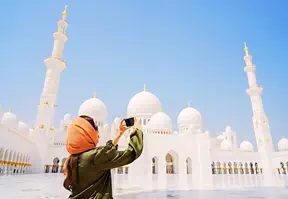
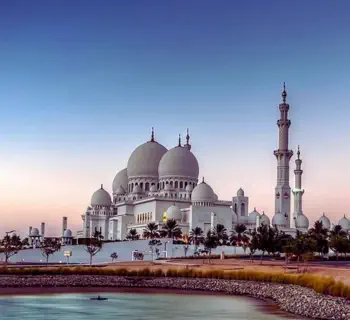
Immerse yourself in Emirati culture at the Heritage Village or visit the Sheikh Zayed Grand Mosque, a masterpiece of Islamic architecture. A short drive away, Al Ain is a UNESCO World Heritage Site. It boasts lush oases and forts that whisper tales of a bygone era. Abu Dhabi offers a unique perspective on the UAE, where the past and present coexist perfectly.
Abu Dhabi Tourism
Abu Dhabi tourism is an eye-opening gift, offering remarkable attractions and culture. Its beautiful landscapes and stunning architecture are among the best in the world. Actually, it's one of the best destinations. If you want a new adventure, visit here. Life feels vibrant, filled with love and excitement.
What to Expect?
Abu Dhabi, one of the wealthiest cities globally, showcases the swift transformation from a fishing village to a modern metropolis fueled by oil wealth. Unlike Dubai, it retains its authentic Arabian heritage from 3000 B.C., which is evident in its charming old towns, from the majestic Sheikh Zayed Grand Mosque to thrilling roller coaster rides. Also, a glimpse of Arab royalty at Emirates Palace, there's endless excitement to explore this desert gem.
Things You Need to Know Before Visit Abu Dhabi
Abu Dhabi Currency:
Abu Dhabi accepts various credit and debit cards, such as Visa, MasterCard, Global Access, Cirrus, and System. However, international card exchange rates can be steep for currency exchange, authorized offices, and banks. Also, hotels exchange foreign currency and traveler's checks upon presenting a passport. While personal checks are generally accepted, they might pose issues at some establishments. For shopping in souks or markets, cash remains the most convenient choice.
Abu Dhabi History:
Half a century back, Abu Dhabi was a simple desert village with stone huts and countless palm trees. Three decades ago, the city began transforming into a gleaming metropolis. It boasts skyscrapers, pristine beaches, and well-preserved historic sites. Despite this modernization, the emirate has steadfastly maintained its cultural heritage. The development journey commenced in the 1950s with oil discovery, representing 10% of the world's oil reserves.
Spoken Language:
Arabic serves as the official language, yet English is widely spoken. Road signs, menus, and shop signs feature both Arabic and English. However, outside urban areas, Arabic predominates in written and spoken forms. Useful phrases for traveling in the UAE include:
- Hi: Salam
- Good Morning, Sabah el Kheer
- Welcome: Marhaba
- Thank you: shukran
- Good night: Tosbeho ala khair
- Goodbye, Ma Salama
Shopping Stuff:
Shopping in Abu Dhabi is a blend of luxury and tradition, with premium malls and ancient souks offering authentic Arabic goods. The stuff includes carpets, perfumes, spices, and handicrafts. Luxury malls like The Galleria and Avenue provide exclusive brand outlets and VIP treatment in air-conditioned comfort, ideal for escaping the Arabian heat.
During festivals, malls host cultural events and performances. From Marina Mall to traditional souks like Fish Souq and Carpet Souk, Abu Dhabi caters to diverse tastes and budgets. One can find great deals on textiles, carpets, and gold with bargaining skills. Most shops operate from 10:00 to 22:00, ensuring ample time for indulging in retail therapy.
Nightlife in Abu Dhabi:
Abu Dhabi's nightlife pulses with energy, offering an array of bars and clubs for evening entertainment. There's something for everyone, from live music venues to themed bars and upscale clubs. On the other hand, alcohol purchase has strict rules; it's readily available in bars and clubs, and visitor visa holders are rarely asked for a license.
Moreover, men must adhere to a dress code, barring sandals, flip-flops, or shorts from entry into bars. Alcohol prices may align with Western standards, and extraordinary Ladies' nights offer free drinks for women at select venues.
How to Exchange Money in Abu Dhabi?
In Abu Dhabi, currency exchange is conveniently available at offices and banks throughout the city. Licensed 'Bureau de Change offices are also in major malls and shopping areas, sometimes offering better rates than banks. Standard business hours are Saturday to Thursday, from 8:00 - 13:00 and 16:30 to 20:30, with reduced Friday hours. Hotels also offer currency exchange services, albeit at non-competitive rates. ATMs are widely accessible in shopping centers, petrol stations, supermarkets, and airports for additional convenience.
Customs of Abu Dhabi:
Arabs adhere to a specific dress code consistent across the United Arab Emirates. Men typically wear a dishdasha or Kandura, a white, full-length shirtdress paired with a white or red checked headdress called a ghutrah. It is secured with an agal, a black cord. Women wear a black abaya, a loose robe covering their attire, and a headscarf known as a Sheyla. However, some may also wear a thin black veil over their faces.
Tourists are expected to respect local customs and etiquette. While foreigners can practice their religion and dress liberally, attire should be modest and not revealing. Public displays of affection are frowned upon, although certain social customs are present. Due to the multicultural population, holding hands is becoming more accepted. It's advisable to refrain from such practices as a precaution. Photography of tourist sites is permitted, but it's courteous to seek permission before photographing locals. Tipping is expected but not obligatory in Abu Dhabi.
Proposed Itinerary for Abu Dhabi:
Day 1: Upon arrival at Abu Dhabi International Airport, check into one of the city's luxurious hotels. Visit the Etihad Towers to enjoy a breathtaking view of Abu Dhabi from the Observation Deck. Afterwards, indulge in shopping at Marina Mall or WTC Souk. Conclude the day with a Dhow cruise, immersing yourself in authentic Arab culture.
Day 2: Embark on a city tour to explore Abu Dhabi's cultural landmarks, featuring
- The Sheikh Zayed Grand Mosque
- Qasr Al Muwaiji
- Galleria and Rosewood
- Louvre Museum
- The Corniche
- Heritage Village
Day 3: Spend the day at Yas Islands, home to Yas Waterworld Theme Park. You can opt for the renowned Ferrari World theme park and the opulent Emirates Palace Hotel.
Best Time to Explore Abu Dhabi
The optimal time to visit Abu Dhabi is from November to March when the weather is more relaxed and requires only a light jacket or sweater. However, the city experiences hot temperatures year-round like other Emirates. This period offers a more comfortable climate for sightseeing. If beach activities are your focus, consider planning your trip for October, March, or April when the weather is warm.
Nearby Places to Explore from Abu Dhabi:
The critical destinations near Abu Dhabi include Dubai, located 122 km away. Sharjah at 144 km, Ajman at 155 km, Fujairah at 216 km; and Ras al Khaimah, at 219 km.
Activities to Experience in Abu Dhabi:
Abu Dhabi offers a myriad of activities, including visiting iconic landmarks like the Sheikh Zayed Grand Mosque and Louvre Abu Dhabi. Experience the thrilling rides at Ferrari World, explore desert safari, and Yas Marina Circuit. Also, enjoy the attractions of Yas Island and splash around at Yas WaterWorld.
Who Should Need to Visit Abu Dhabi?
Abu Dhabi appeals to many travelers, making it a glamorous destination for families, history enthusiasts, and adventure seekers. Besides, Its vast desert landscapes and rich historical sites cater to those seeking cultural exploration and outdoor adventures.
Local Cuisine in Abu Dhabi:
Abu Dhabi's cosmopolitan dining scene offers a variety of cuisines from around the world, showcasing international flavors and culinary expertise. While fine-dining restaurants and hotel eateries serve exquisite fusion dishes, street-side cafes and small eateries offer mouth-watering local delicacies. Arabic desserts like Baklava and coffee popularly complement traditional dishes like Al Harees, Al Majboos, and Al Madrooba.
Explore the place

34%

Abu Dhabi
6H
from
75.00د.إ
49.00د.إ
40%

Abu Dhabi
6H
from
250.00د.إ
150.00د.إ